

Key takeaways
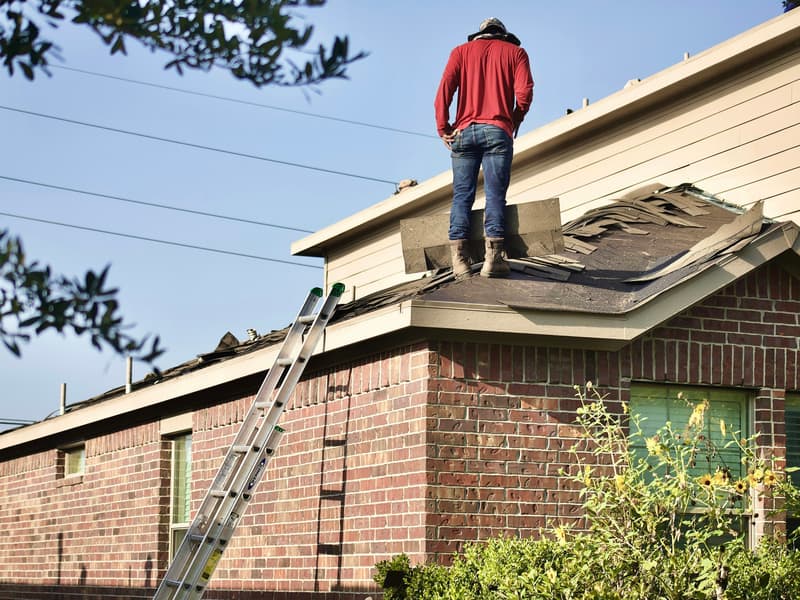
- Stay off the roof. Look from the ground and check the attic instead.
- Photograph the damage, the debris and the date before anything is cleaned up or repaired.
- Read your policy early for your deductible, coverage type and reporting deadlines.
- A tarp limits further water damage. If tarping means climbing, it is a job for a roofer.
- Hire someone with a verifiable local address, a written estimate and references. Never sign on the spot.
Stay safe in the first hours after a storm
Before you think about shingles, look for hazards. Downed power lines, hanging limbs and branches resting on the roof or on wires come first. These are jobs for the utility company or a tree crew, not a homeowner with a ladder.
Stay off the roof. Wet shingles are slick, and storm-damaged decking can be soft underfoot. A fall from even a one-story ranch can end badly. A roofer has the harness, the footing and the experience to walk a damaged roof. Most homeowners don't.
Inside, check the ceilings and the attic with a flashlight if you can do it safely. If water is coming through near a light fixture or outlet, shut off power to that area at the panel. Move furniture, electronics and anything you care about away from active drips, then set out buckets or towels.
If a tree has come through the roof or a ceiling is sagging, leave that room and call for help. Structural damage is not something to wait out.
How hail and wind damage a roof differently
Hail and wind often arrive together in the spring and summer thunderstorms that move across the Miami Valley. They leave different marks, though.
Hail tends to bruise asphalt shingles. It knocks granules loose and sometimes cracks the mat underneath. That can be hard to see on the shingles from the ground, so the better clues are elsewhere:
- dented gutters, downspouts, roof vents and metal flashing
- granules piling up at the bottom of downspouts
Wind lifts and creases shingles. It tears off tabs and ridge caps, and it can peel back flashing along chimneys and walls. Missing shingles are easy to spot in the yard or on the roof. Creased ones are harder to find, because they may lie back down looking fine after the seal underneath has broken.
The age of the roof matters. Many homes around Dayton were built decades ago. Plenty of them have roofs near the end of their life, and some have a second layer of shingles over the first. Older, brittle shingles break more easily in both hail and wind.
Small damage also tends to grow over an Ohio winter. Water gets into a break, freezes and widens it.
For a closer look at the signs, read how to spot hail damage on a roof.
Document the damage before anything is fixed
Good records make every next step easier, whether that step is an insurance claim or just deciding what to repair.
- Photograph from the ground. Take wide shots of each side of the house. Then take closer shots of dented gutters, vents, siding, window screens and anything damaged in the yard.
- Photograph inside. Water stains, wet insulation in the attic and active drips all count. Take the pictures before you mop up.
- Keep the debris. Set aside any pieces of shingle, flashing or siding that landed in the yard.
- Note the date and time. Write down when the storm hit and what you saw. If you photographed hailstones next to a coin or a ruler, keep those photos.
- Save receipts. Keep receipts for tarps, buckets, emergency service calls or a night away from home, since they may matter later.
Back up the photos somewhere besides your phone. Claims can take a while, and you don't want your only record on a device that gets lost or replaced.
How roof insurance claims generally work
Every policy is different, so start by reading yours or calling your agent. Look for three things:
- your deductible
- whether your roof is covered for replacement cost or actual cash value
- any deadline for reporting damage
In general, the process goes like this:
- You report the claim.
- The insurer assigns an adjuster.
- The adjuster inspects the roof and writes up an estimate.
- The insurer pays according to the terms of the policy.
Many homeowners have a roofer inspect first, so they know what damage exists before the adjuster arrives. They often ask that roofer to be there for the adjuster's visit too.
Payment often comes in more than one check. If you have a mortgage, the lender's name may be on the check as well. If the adjuster's estimate seems to miss damage, you can ask questions and share your roofer's photos and notes.
For more detail, read how roof insurance claims usually work.
Temporary repairs that keep more water out
Most policies expect you to take reasonable steps to prevent further damage once you know about it. In practice, that usually means covering an opening or a damaged area so rain stops coming in.
A properly installed tarp is the usual fix. To work, it needs to:
- run over the ridge or extend well past the damage
- be fastened so wind can't get under it
- be secured without adding holes to good parts of the roof
A badly installed tarp can tear loose in the next storm or channel water somewhere worse. That is why tarping is a job for a roofer whenever it means climbing onto the roof.
You can still help from inside. Catch drips, move belongings and pull up wet rugs. If a ceiling is bulging with water, keep people out of the room and mention it when you call.
Temporary really does mean temporary. A tarp buys time, but it isn't meant to hold up through months of weather. If your roof needs to be covered or repaired after a storm, look into storm damage repair.
How to avoid storm-chaser roofers
After a big hailstorm, out-of-town crews often show up in Dayton-area neighborhoods. They knock on doors and offer inspections. Some do fine work. Others disappear once the job is paid, and you are left with no one to call when the roof leaks.
A few habits protect you:
- Hire someone with a local address and phone number you can verify.
- Ask for references from jobs in your area, and call them.
- Get a written, itemized estimate, and compare more than one.
- Don't sign anything on the spot. Be especially careful with any contract that ties you to a company before your insurer has looked at the roof.
- Be wary of anyone who offers to cover your deductible or wants full payment up front.
Take a breath before you decide. A tarped roof can wait a few days while you check out the person you are about to hire. Read more in how to avoid storm-chaser roofers.
Frequently asked questions
Should I get on my roof to check for hail damage?
No. Wet or damaged shingles are slippery, and the decking underneath may be weakened. Look from the ground and from the attic, and let a roofer with proper safety gear walk the roof.
How soon after a storm should I report roof damage?
Report it as soon as you reasonably can. Many policies have a reporting deadline, and waiting can make it harder to show the damage came from a specific storm. Check your policy or call your agent for the exact terms.
Can hail damage a roof even if nothing is leaking?
Yes. Bruised or cracked shingles may not leak right away, but they lose granules and wear out faster, especially through freeze-thaw cycles. An inspection after a significant hailstorm is worth having even when your ceilings look fine.
Who pays for a temporary tarp?
Usually you pay up front and keep the receipt. Many policies treat reasonable emergency protection as part of the claim, but coverage varies, so ask your insurer before you assume either way.
5 min read.